

As an Amazon Associate, I earn from qualifying purchases. That means I earn commissions from my sponsored links or I make money when readers (you) purchase items through my links. Your purchase allows me to continue working as a stay-at-home dad who moonlights as a farmer and a musician. Needless to say, this post contains affiliate links.
I was baptized Catholic, I was confirmed Catholic, and I attend Mass… okay sometimes. But I am still very much Catholic.
But I recently went down a really deep rabbit hole about Buddhism.
And I learned a lot.
Like… a lot a lot.
And I think there is so much wisdom in Buddhist philosophy that is genuinely useful for everyday life.
Especially if you are going through something hard.
Why Does Religion Matter at All?
Religion, no matter what religion, at its core, gives people:
- A sense of meaning and purpose … it answers the big questions. Why am I here? What happens when I die? How should I live?
- Community and belonging … here in the Philippines, so much of our social life revolves around faith. The barangay fiestas, the novena, the family prayer before meals. Religion is relational.
- A moral framework … most religions, at their core, teach compassion, honesty, generosity, and care for others. These are not bad things to build a life around.
- Mental and emotional support … prayer, meditation, ritual… these have been shown in multiple studies to reduce anxiety and depression and help people cope with grief and loss
Buddhism, specifically, is one of the world’s major religions (or philosophies, depending on how you look at it) with over 500 million followers worldwide.
It was founded in ancient India by Siddhartha Gautama (the Buddha) around the 5th to 4th century BCE.
According to Wikipedia, Buddhism encompasses a variety of traditions, beliefs, and spiritual practices largely based on the teachings attributed to the Buddha.
Buddhism is built on what are called the Four Noble Truths:
- 1. Dukkha … life involves suffering. Not just pain, but also dissatisfaction, impermanence, the ache of wanting things to be different than they are.
- 2. Samudaya … suffering has a cause. And that cause is craving and attachment. We suffer because we cling to things, people, outcomes, identities.
- 3. Nirodha … suffering can end. There is a way out of the cycle.
- 4. Magga … the way out is the Eightfold Path. A set of guidelines for living with wisdom, ethical conduct, and mental clarity.
The Eightfold Path includes things like right understanding, right intention, right speech, right action, right livelihood, right effort, right mindfulness, and right concentration.
It sounds complicated but basically… it is about living with awareness, kindness, and intention.
It’s not so different from what most good religions teach.
One important thing to note: Buddhism is often described more as a philosophy or a way of life than a religion in the traditional sense.
There is no God in Buddhism (in the theistic sense). Instead of praying to a deity for help, Buddhists focus on their own inner transformation through meditation and ethical living.
8 Ways Buddhism (and Its Teachings) Can Genuinely Improve Your Life
1. It Teaches You What Buddhism Is Actually Like (Day to Day)
A lot of people picture Buddhism as sitting cross-legged on a mountain top with no possessions and a shaved head. And okay… that is one version of it (monastic Buddhism).
But lay Buddhism, the kind practiced by the majority of Buddhists around the world, looks a lot more ordinary.
A lay Buddhist might:
- Meditate for 10 to 20 minutes in the morning before starting the day
- Practice mindfulness during everyday activities like eating, walking, or washing dishes
- Observe the Five Precepts: not harming living beings, not stealing, not lying, avoiding sexual misconduct, and avoiding intoxicants
- Visit a temple occasionally to make offerings and connect with the community
- Study the Dharma (Buddhist teachings) through books, podcasts, or online resources
It is actually quite… manageable. And a lot of the practices, especially mindfulness and meditation, have been adopted widely outside of Buddhism into secular wellness culture.
2. How Buddhism Can Help You Improve Your Life
This is the part I found most interesting during my research. Buddhism is extremely practical. It is not just about believing the right things. It is about transforming how you think, feel, and act in everyday life.
Some specific ways Buddhist practice is shown to improve wellbeing:
- Reduced anxiety … mindfulness meditation (which has roots in Buddhist practice) is now widely used in clinical settings to treat anxiety and depression. Studies from institutions like Harvard Medical School have shown it can literally change the structure of the brain.
- Better emotional regulation … Buddhist teachings encourage observing your emotions rather than being controlled by them. You learn to notice: “I am feeling angry right now” rather than just acting from the anger
- More contentment … by letting go of constant craving (I need this phone, this body, this relationship, this validation), you start to find more peace in what already is
- Improved focus … meditation trains your attention. And in a world of infinite scroll and dopamine hits every five seconds, the ability to focus is genuinely becoming a superpower
3. Getting Over Emotional Addiction to Someone
Okay… this one is personal for a lot of people.
Including me sometimes.
And I want to talk about it honestly because I think Buddhism has one of the most useful frameworks for understanding why we get so attached to people and what to do about it.
In Buddhist teaching, attachment (upadana) is one of the primary sources of suffering.
This does not mean love is bad.
It means clinging to a specific outcome… “this person must love me back,” “this relationship must work out,” “I cannot be happy without this person”… that clinging is what causes the pain.
The Buddhist approach to healing from emotional addiction involves:
- Recognizing the attachment … not judging yourself for it, just seeing it clearly. “I am attached to this person. I am craving their attention. This craving is causing me pain.”
- Practicing metta (loving-kindness meditation) … where you send genuine goodwill to yourself, then to the person you are attached to, then outward to all beings. It sounds small but it actually shifts something.
- Impermanence (anicca) … one of the core Buddhist concepts is that everything changes. This feeling will change. This person’s role in your life will change. Nothing is permanent. And somehow, accepting that makes things more bearable
- Redirecting energy … Buddhism encourages turning attention inward, toward your own growth, rather than outward toward what you cannot control
I am not saying it is easy.
But the framework is genuinely helpful.
Even if you are not Buddhist.
4. Can You Be a Buddhist and Still Be Married?
Yes! Absolutely.
According to the Buddhist Society and various Buddhist scholars, the Buddha himself encouraged lay followers to live full worldly lives including marriage and family.
The third precept (avoiding sexual misconduct) is about faithfulness, respect, and not causing harm through sexual behavior. It actively supports committed, loving relationships.
In fact, Buddhist teachings have a lot of beautiful things to say about marriage:
- Marriage is a sacred commitment that should be entered into with sincerity and maintained with care
- Partners should support each other’s spiritual growth and wellbeing
- Compassion, patience, and loving-kindness (the things Buddhism teaches) are exactly the qualities that make a marriage strong
So no, becoming Buddhist does not mean you have to leave your spouse, become celibate, or shave your head. (Unless you want to become a monk or nun, in which case… that is a different conversation.)
5. How Buddhism Helps You Heal From Heartbreak
This might be my favorite section to write because… heartbreak is universal.
Every single person reading this has experienced it or will experience it. And it is one of the most painful things a human being goes through.
Buddhist teachings approach heartbreak through the lens of dukkha (suffering) and impermanence.
- Allow the grief … Buddhism does not tell you to suppress your feelings or pretend to be okay. It says: feel it. Observe it. Let it move through you without being consumed by it.
- Do not add extra suffering … the pain of the breakup itself is one thing. But the additional suffering we create by replaying conversations, stalking their social media, imagining alternate realities? Buddhism calls that “the second arrow.” The first arrow (the pain) is unavoidable. The second arrow (the stories we add) is optional.
- Practice self-compassion … Buddhist teachings emphasize that you deserve the same kindness you would give to a close friend. Speak to yourself gently. You are going through something hard.
- Find meaning in impermanence … the relationship that ended was real and valuable even if it did not last forever. A beautiful sunset is not less beautiful because it ends. Neither was your relationship.
I found this framework genuinely helpful even as a Catholic.
The emotional tools Buddhism offers for grief and loss are… really good.
6. Books Worth Reading About Buddhism
Whether you are seriously curious or just want to understand what all the fuss is about, these books are excellent starting points. I read and researched several of them for this article:
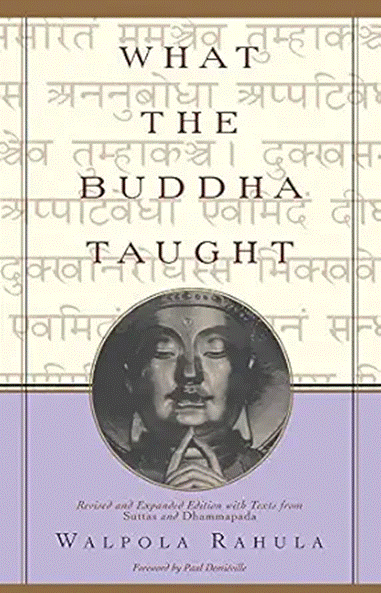
- “What the Buddha Taught” by Walpola Rahula … considered one of the most authoritative introductions to Buddhist philosophy. Clear, academic but readable, and faithful to the original Pali texts
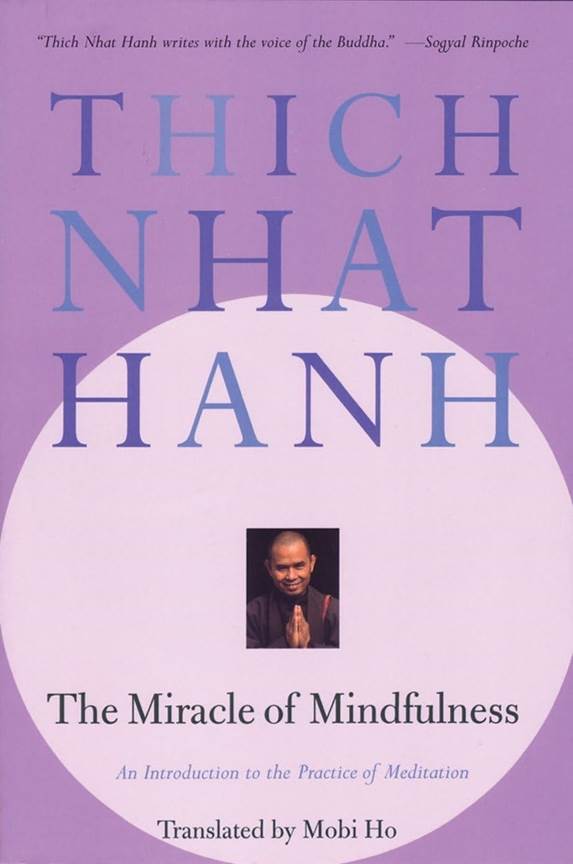
- “The Miracle of Mindfulness” by Thich Nhat Hanh … a Vietnamese Buddhist monk who writes with such warmth and simplicity. This one is about bringing mindfulness into everyday life
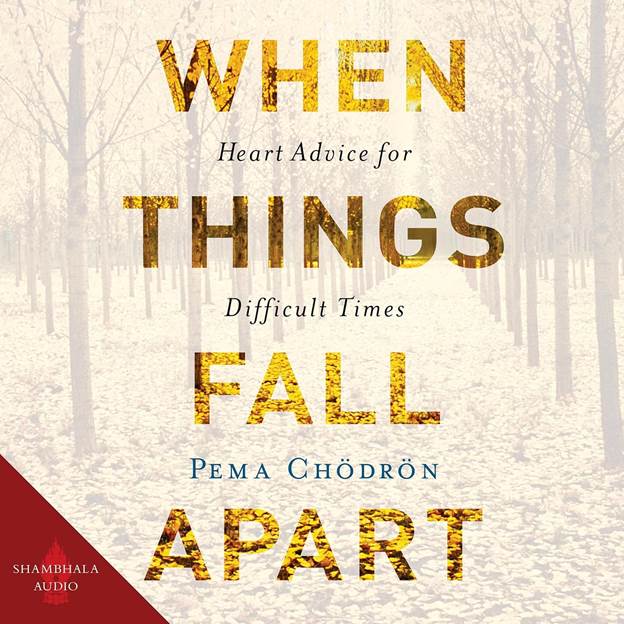
- “When Things Fall Apart” by Pema Chodron … perfect if you are going through a hard season. She writes about facing pain and uncertainty with openness rather than running away
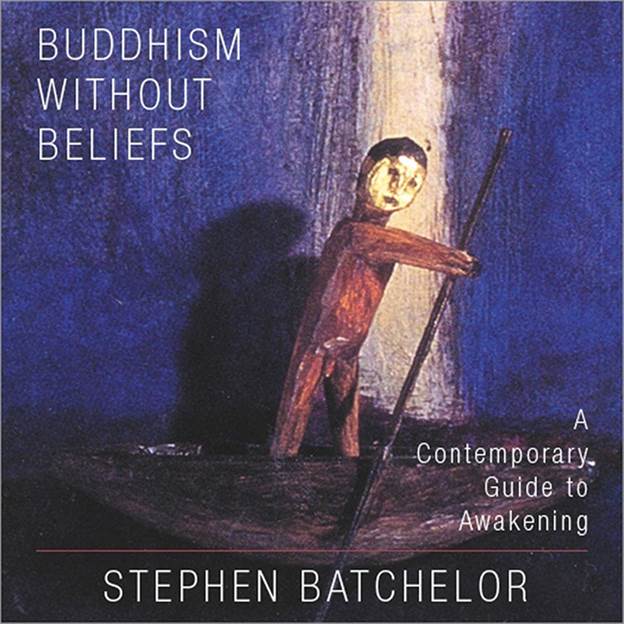
- “Buddhism Without Beliefs” by Stephen Batchelor … for the skeptics and the curious agnostics. He presents Buddhism as a practical philosophy rather than a religion
- “Zen Mind, Beginner’s Mind” by Shunryu Suzuki … a classic on Zen Buddhism and meditation practice. Short chapters, deeply thought-provoking
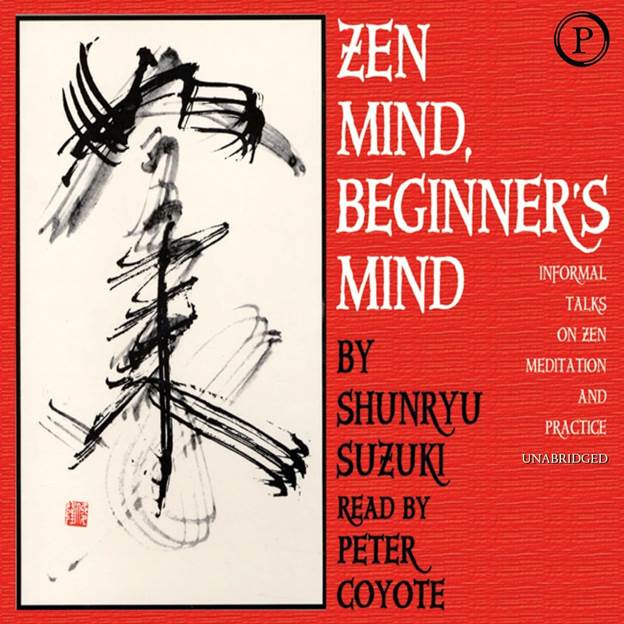
Most of these are available on Amazon or Shopee or National Bookstore online. Some are also available as free PDFs if you search around.
7. Where Can You Explore Buddhism in Davao City?
Okay so this one I had to do some local research for. If you are genuinely curious about Buddhism and want to learn more in person (or just light some incense and have a quiet moment), here are some places in Davao you can check out:
- Chinese temples in Chinatown, Davao City … the Lon Wa Buddhist Temple on Cabaguio Avenue is one of the largest Buddhist temples in Mindanao. It is open to visitors and is actually a beautiful space for quiet reflection. The architecture alone is worth the trip
- Taoist temples … while technically Taoist, many temples in Davao’s Chinese community also incorporate Buddhist elements and are welcoming to curious visitors
- Online communities … Facebook groups are active and welcoming. A good place to ask questions without any pressure
- YouTube channels … Tara Brach, Ajahn Chah teachings, and Thich Nhat Hanh’s official channel are all excellent and free. You can start learning from your phone in Davao without going anywhere
Worth noting: you do not need to formally convert or join anything to start applying Buddhist wisdom to your life. Most Buddhist teachers actually encourage people to take what is useful and leave what is not.
8. For Non-Buddhists
Buddhism is not trying to compete with your religion.
It is not asking you to give up your faith or your family. It does encourage a plant-based diet for some practitioners… but even that is not mandatory for lay Buddhists.
What Buddhism offers, at its core, is a very practical, very thoughtful framework for dealing with the hardest parts of being human.
The suffering.
The loss.
The attachment.
The confusion about what actually makes life meaningful.
And whether you are Catholic, Protestant, Muslim, or nothing at all… those are questions worth sitting with. Literally. Just sit with them. Breathe. That is kind of the point.
Pros and Cons
| PROS | CONS |
| Mindfulness and meditation are genuinely good for mental health | Your conservative aunts might panic if you mention it at the dinner table |
| Tools for dealing with heartbreak, attachment, and anxiety are universally useful | Some practices (like vegetarianism) might be hard to maintain in Davao or in the Philippines in general where lechon is a way of life |
| Buddhist philosophy is incredibly open-minded and non-dogmatic | It takes real study and practice. Reading one Wikipedia article does not make you enlightened |
| You can apply Buddhist wisdom without officially converting | Meditation feels weird at first. Sitting in silence is harder than it sounds |
| The books are beautifully written and genuinely life-changing | Your search history will suddenly be very confusing to explain |
I genuinely recommend reading at least one Buddhist book even if you have zero intention of converting. It will change how you think about suffering, attachment, and peace in a way that is hard to explain until you experience it.
I Recommend These If You Want to Explore Buddhism…
These are some books and tools that came highly recommended during my research. Affiliate links below meaning it won’t cost you extra to buy them but I get a small commission which helps me keep this website going. Thank you!
| What the Buddha Taught (Book) The most widely recommended intro to Buddhist philosophy for beginners Buy on Amazon | The Miracle of Mindfulness (Book) Practical, warm, and genuinely useful even for non-Buddhists Buy on Amazon | Meditation Timer App / Singing Bowl For starting a simple daily meditation practice at home Buy on Amazon |
| When Things Fall Apart by Pema Chodron For anyone going through heartbreak, grief, or uncertainty Buy on Amazon | Incense and a Small Buddha Figurine For your meditation corner at home. Very calming aesthetic Buy on Amazon | Buddhism Without Beliefs by Batchelor Perfect for skeptics who want wisdom without the religion Buy on Amazon |
It won’t cost you extra to buy it and I get a nice little commission which helps me keep this website going.
Thank you!
I started this as an April Fools joke and I ended up genuinely learning something.
So… the joke’s on me.
Buddhism is not scary.
It is not trying to steal you away from your faith.
It is thousands of years of really thoughtful human beings asking the same questions we all ask: why do we suffer?
How do we find peace?
What does it mean to live well?
Take what resonates.
Leave what does not.
And if nothing else, sit quietly for five minutes today and just breathe.
That is free.
That is available to everyone.
And it is genuinely the most Buddhist thing you can do right now.